10 Facts about Fela


Fela Anikulapo Kuti wasn’t just a musician; he was a phenomenon. To understand Fela is to understand a massive chunk of modern African history, rebellion, and rhythm.Here are the 10 essential things you need to know about the “Abami Eda” (the Strange Being):
1. He Invented AfrobeatFela didn’t just play music; he created an entire genre. By fusing traditional Yoruba music, highlife, and jazz with the funk and soul aesthetics of James Brown, he birthed Afrobeat. It’s characterized by complex polyrhythms, heavy horn sections, and long, hypnotic instrumental builds.
L2. Music as a WeaponFela famously said, “Music is the weapon of the future.” He used his lyrics to relentlessly attack the Nigerian military government, corporate exploitation, and the lingering effects of colonialism. He didn’t sing about romance; he sang about “Zombie” soldiers and “International Thief Thief” (I.T.T.).
3. The Kalakuta RepublicHe declared his compound in Lagos a separate nation called the Kalakuta Republic. It had its own clinic, recording studio, and fence. This was his way of rejecting the authority of a state he viewed as corrupt.
4. The 1977 RaidIn response to his defiant album Zombie, the Nigerian military launched a brutal raid on Kalakuta with 1,000 soldiers. They burned his house to the ground, destroyed his instruments, and tragically threw his elderly mother out of a window, leading to her eventual death.
5. His Mother, FunmilayoFela’s activism was in his blood. His mother, Funmilayo Ransome-Kuti, was a legendary feminist and anti-colonial activist who was the first woman in Nigeria to drive a car and a key figure in the fight for women’s suffrage.
6. The “Queens”In a single ceremony in 1978, Fela married 27 women (his backup singers and dancers). He did this partly as a political statement against the stigma they faced and to honor the traditional African social structures he championed.
7. Pidgin English LyricsFela chose to sing in Nigerian Pidgin rather than his native Yoruba or standard English. He wanted his message to be accessible to people across all of Anglophone Africa, from the streets of Lagos to the markets of Accra.
8. The ShrineThe Afrika Shrine was his nightclub and temple. It wasn’t just a concert venue; it was a space for political education and spiritual ceremonies. Today, the New Afrika Shrine (run by his children) keeps that legacy alive.
9. Blackism and Pan-AfricanismAfter a transformative trip to the U.S. in 1969 where he met Black Panther members, Fela ditched his “playboy” jazz persona. He became a staunch Pan-Africanist, promoting African culture and rejecting Western influence, even changing his middle name from “Ransome” (which he called a slave name) to Anikulapo (meaning “He who carries death in his pouch”).
10. A Global LegacyFela’s influence is everywhere. From the Broadway musical Fela! to the modern “Afrobeats” (plural) movement led by stars like Burna Boy and Wizkid, his blueprint for rhythmic complexity and social defiance remains the gold standard.
Latest Post!!!
-
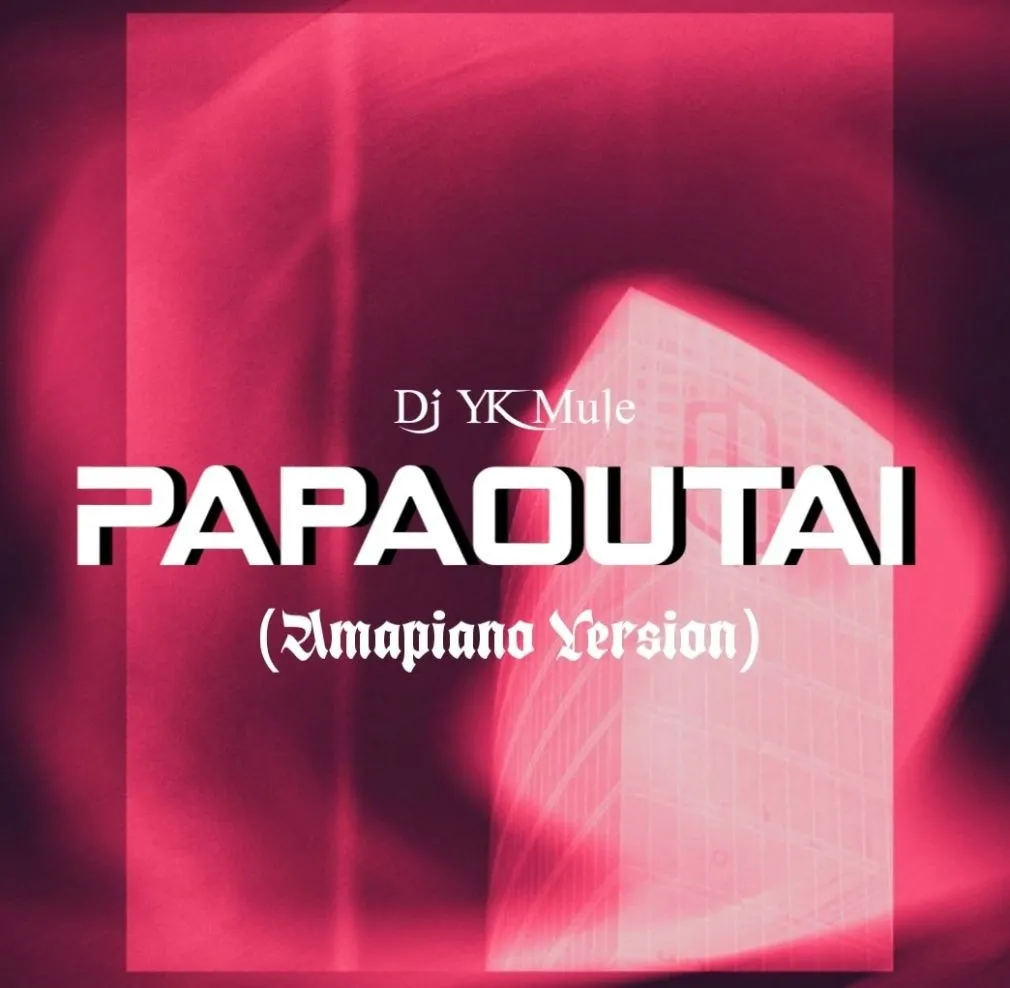
 DJ YK Mule – Papaoutai Amapiano Version
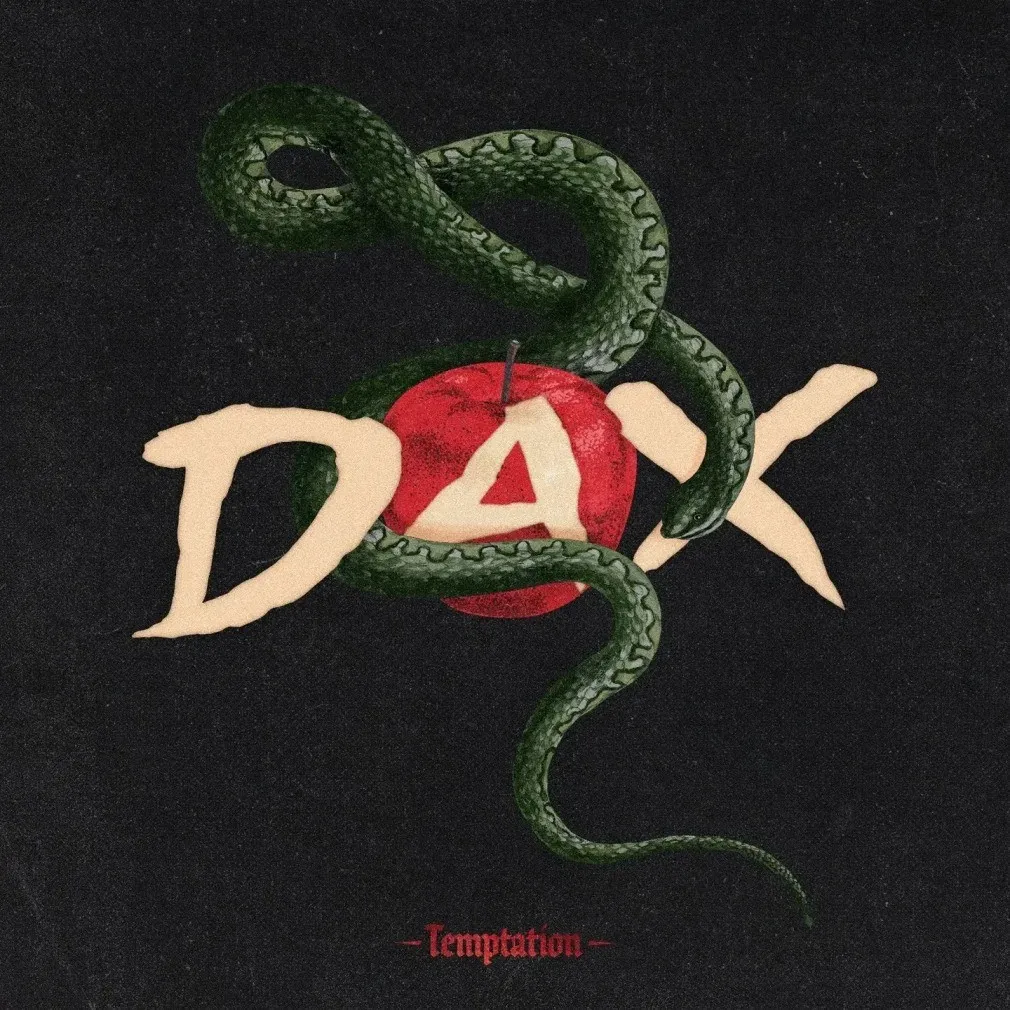
 - Dax – Temptation
- SINACH – Enough For Me Ft. Sunmisola Agbebi
- Ebuka Songs – Midnight Cry, Vol. 8 (Ascend) ft. SteveHills & Ezekiel Okesola
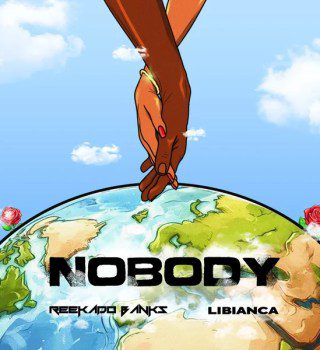
- Reekado Banks – NOBODY ft LIBIANCA
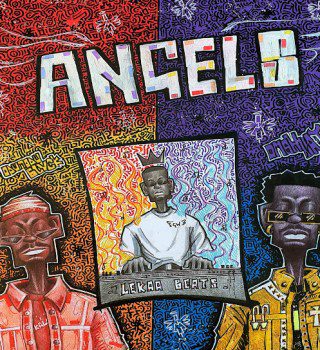
- Lekaa Beats – ANGELS Ft Omah Lay & ODUMODUBLVCK
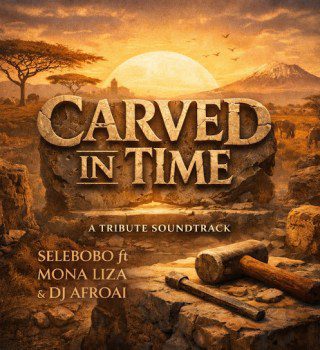
- Selebobo – Carved In Time ft. Mona Liza & Dj AfroA.i
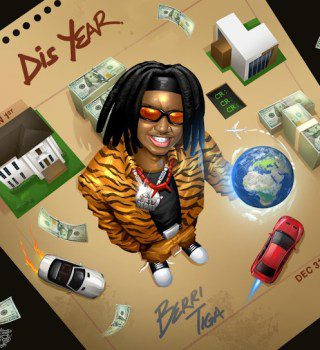
- Berri Tiga – Dis Year
- Tems – What You Need – A COLORS SHOW Ft. COLORS
- Magnito – Beat Around the Bush ft. Portable
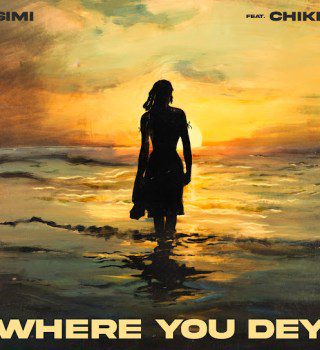
- Simi – Where You Dey Ft. Chike
- RudeBoy – Beauty
- Boy Spyce – Igboro
- Wizkid – Alaye Ft. Asake
- Wizkid – Iskolodo Ft. Asake
- Wizkid – Turbulence Ft Asake
- Seyi Vibez – MY HEALER Ft. Omah Lay
- Shatta Wale – VIP Girl
- Shatta Wale – Rise Anyway
- Shatta Wale – Lonely Victory





Do you find Trentdjamz useful? Click here to give us five stars rating!