Origin of Afrobeat

However, it is important to distinguish between the classic Afrobeat (the 1960s/70s genre) and the modern Afrobeats (the 21st-century pop sound) that you see today. 1. The Pioneer: Fela KutiFela Kuti created Afrobeat in the late 1960s in Nigeria.
It wasn’t just music; it was a movement. He blended: Traditional Yoruba music Highlife American Jazz and Funk (heavily influenced by James Brown) Political Activism2. The Engine Room: Tony AllenWhile Fela was the face and voice, his legendary drummer Tony Allen is considered a co-founder. Fela once famously said, “Without Tony Allen, there would be no Afrobeat.”
Tony Allen’s unique polyrhythmic drumming style (using all four limbs to play different rhythms simultaneously) provided the “grid” that the entire genre was built upon. 3. The Modern Term: “Afrobeats” (with an ‘s’)The modern pop sound (Wizkid, Burna Boy, Davido) is often called Afrobeats to distinguish it from Fela’s original sound.The “Founders” of Modern Afrobeats: Producers like Don Jazzy (Mo’ Hits Records) and artists like D’banj and 2Face Idibia are often credited with pioneering the commercial, pop-heavy sound in the early 2000s that evolved into the global force it is in 2026.The Naming:
The term “Afrobeats” was actually coined in London around 2011 by DJ Abrantee to package this new wave of West African pop music for UK radio. Quick Comparison
Classic Afrobeat (Fela) Modern Afrobeats (S)Era 1960s – 1990s 2000s – PresentStructure Long (10-20 min), big bands Short (3 min), digital productionThemes Political, anti-corruption Lifestyle, love, hustleKey Instrument Saxophone & live percussion Digital
Latest Post!!!
-
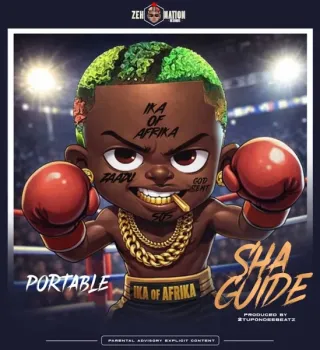 Portable – Sha Guide
 -
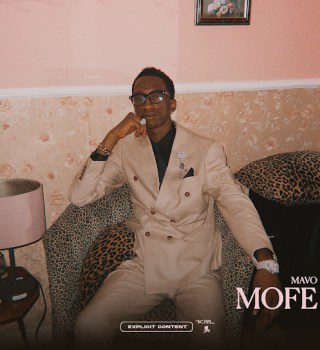 Mavo – Mofe
 -
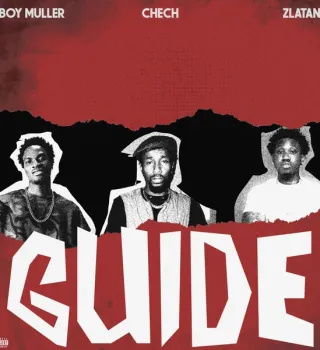 Boy Muller – Guide ft Chech & Zlatan
 -
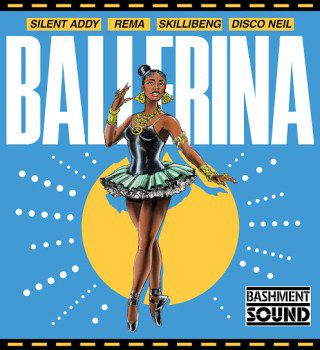 Silent Addy – Ballerina Ft Rema, Skillibeng & And Disco Neil
 -
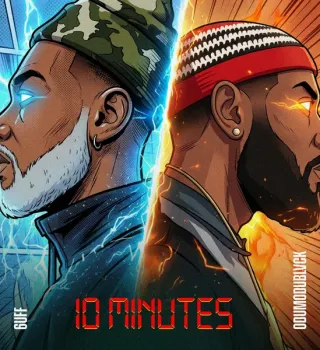 6uff – 10 MINUTES ft. ODUMODUBLVCK
 -
 Pejar King – Awolowo
 -
 Ys.manrasta – KARASHIKA
 -
 Otega – Kontrollah
 -
 Bayanni – Stick to the Plan
 -
 Lil Kesh – Anini (Thief)
 -
 Kidd Carder – Big Bum Bum ft. Mavo
 -
 Magnito – Catch: Pour me Water
 -
 Hotkeed – Polanco ft Lyta
 -
 Magnito – Medicine Girl
 -
 Portable – On Alone
 -
 Popcaan – Consistency
 - Popcaan – Why Wait
- Popcaan – Sunday ft. Moyann
-
 Xduppy – Kushukushu ft Mbuxx & Mdeshkayro
 -
 Dremo – Man2Man (Oladips Remix) Ft Oladips
Do you find Trentdjamz useful? Click here to give us five stars rating!